Skip to content
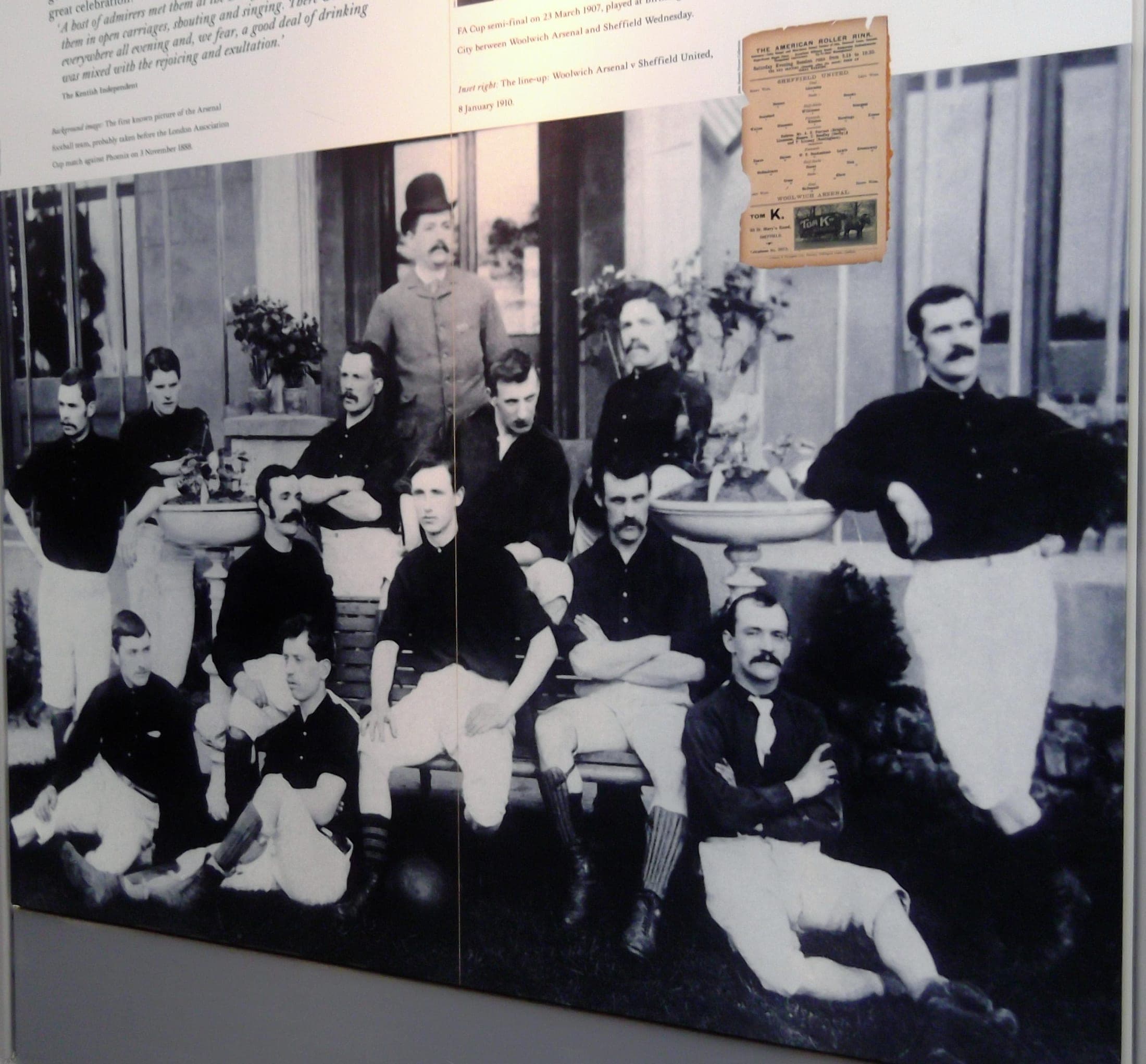
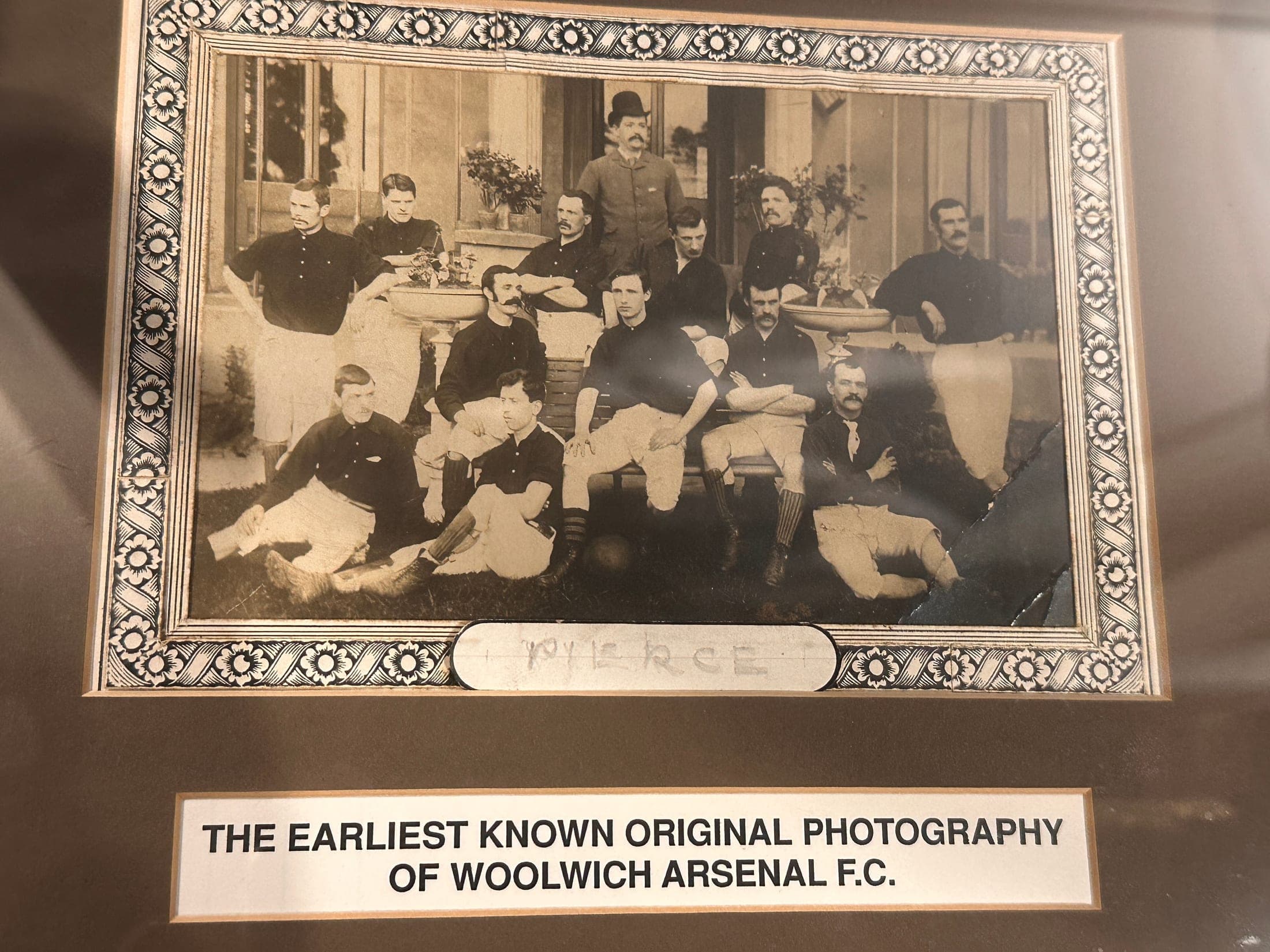
Woolwich Arsenal FC, 1888, one of the earliest known photographs of the club

Est. 1886 · An Independent History

The Story of Arsenal Football Club

From a Woolwich munitions workshop called Dial Square to the Emirates today: 140 years of the club, told in photographs.

Begin the Story

The Timeline

140 years, era by era

Woolwich Arsenal FC team, 1888, one of the earliest known photographs of the club
1886

The Beginning

Dial Square

Formed by workers at the Royal Arsenal armaments factory in Woolwich, southeast London, the club played its first match on 11 December 1886 under the name Dial Square, taken from a workshop on the factory site. Within weeks they renamed themselves Royal Arsenal, then later Woolwich Arsenal.

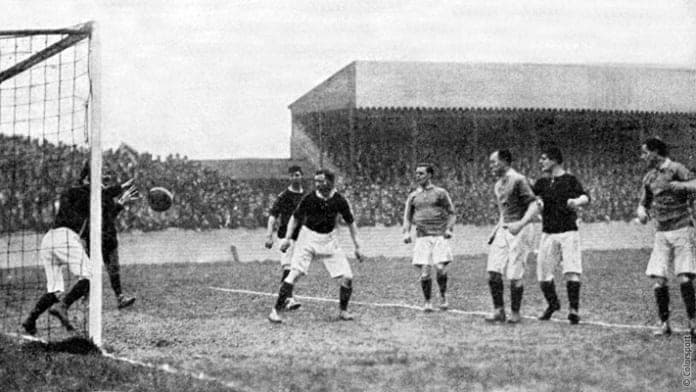
The Manor Ground, Plumstead, Woolwich Arsenal's home during their early professional years
1893–1913

Turning Professional

Woolwich Arsenal

In 1893 the club turned professional and joined the Football League, the first southern club to do so. Two decades at the Manor Ground in Plumstead followed, but poor transport links and thin crowds pushed the club toward a dramatic decision: crossing the river entirely.

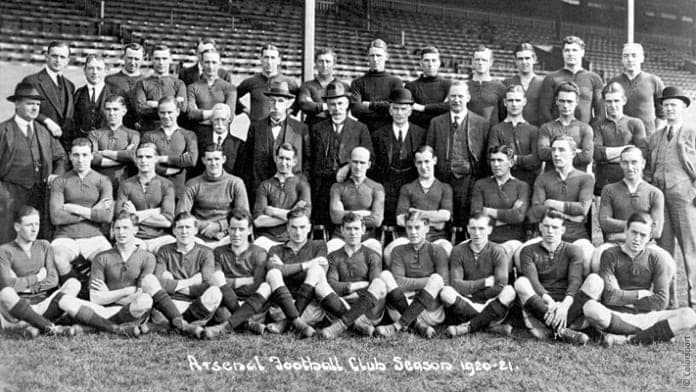
Arsenal FC team photo, 1920-21, in the early years at Highbury
1913

Crossing the River

The Move to Highbury

Arsenal relocated north of the Thames to Highbury, Islington, dropping 'Woolwich' from the name a few years later. Local clubs objected loudly, and Tottenham have never entirely stopped bringing it up. It also worked: the club swapped a poorly connected corner of Plumstead for a site with an Underground station at the end of the road.

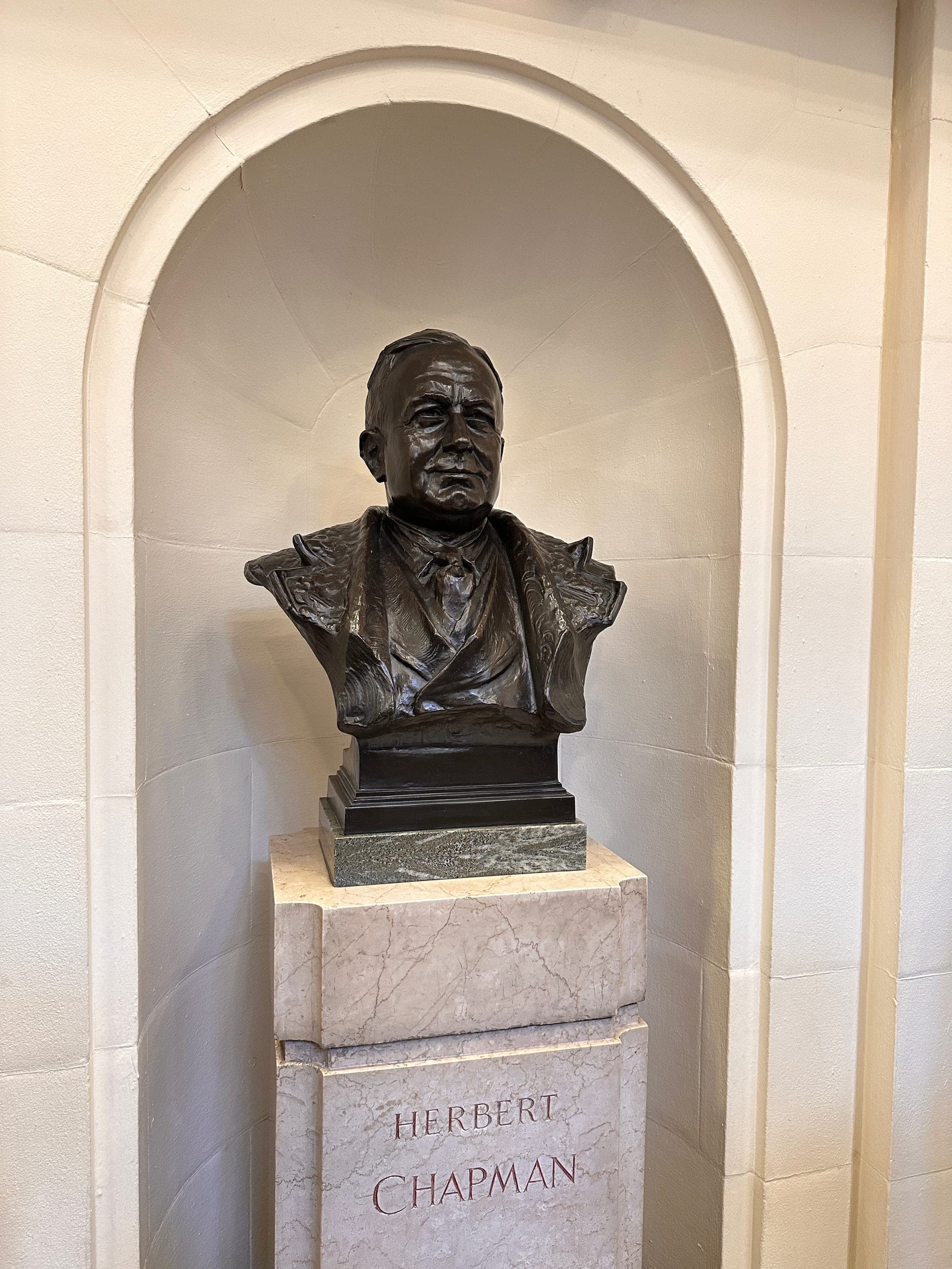
Bust of Herbert Chapman at the Emirates Stadium, commemorating Arsenal's most transformative manager
1925–1934

The Chapman Revolution

Herbert Chapman

Herbert Chapman arrived in 1925 and reinvented the club, and arguably the sport itself. He pioneered the WM formation, pushed for floodlit football and numbered shirts, and got the local Tube station renamed after the club. Under Chapman, Arsenal won their first major trophies and became the dominant force of 1930s English football.

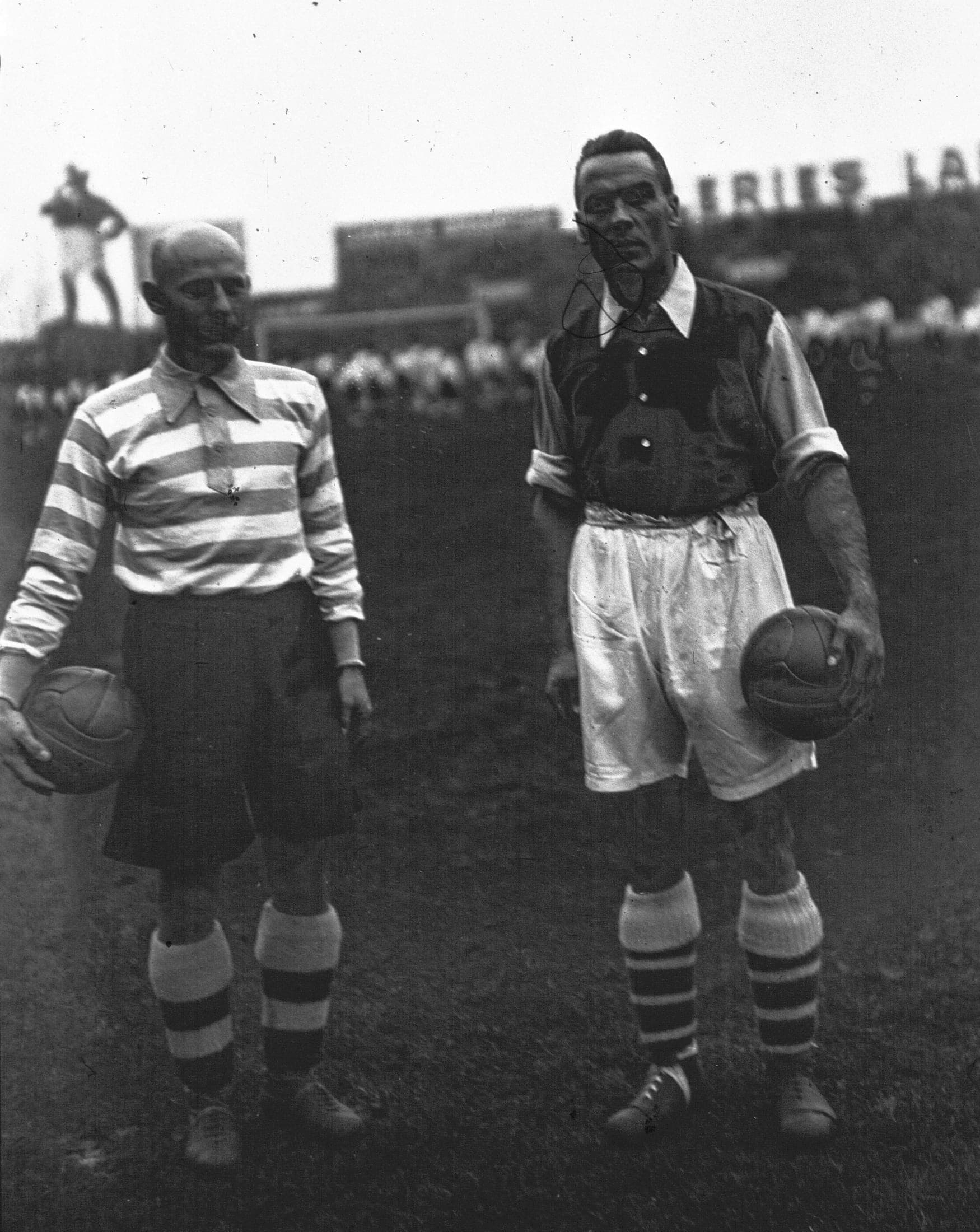
Arsenal FC team photograph, 1934
1930s

The First Golden Age

Arsenal's Decade

Five League titles and two FA Cups arrived across the decade, built on Chapman's system and carried on after his sudden death in 1934. Arsenal became English football's first true superclub, the team every other side measured itself against.

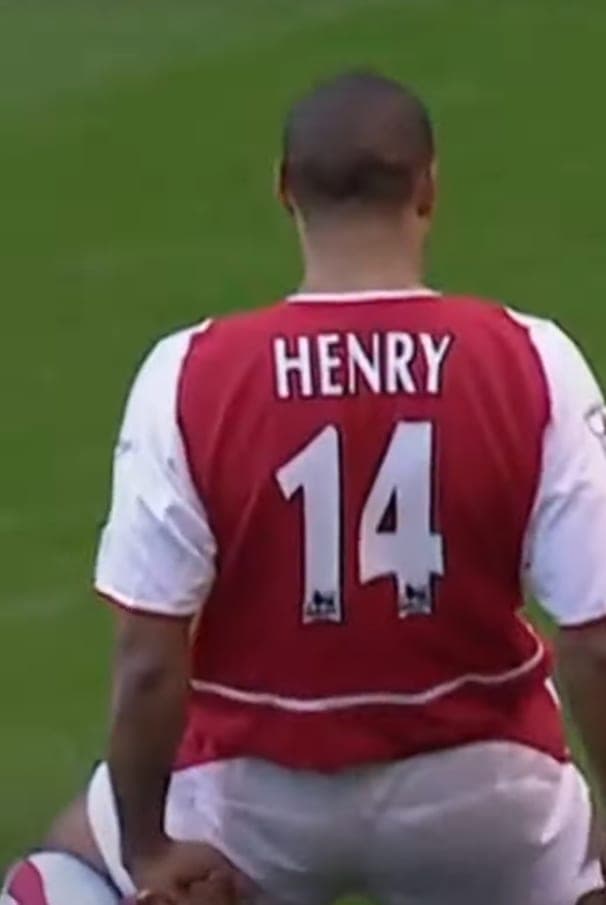
Thierry Henry's iconic knee-slide celebration, a defining image of the Wenger era
1996–2004

Wenger's Revolution

The Invincibles

Arsène Wenger transformed Arsenal's fitness culture, diet, and playing style, building teams anchored by Adams, Vieira, Bergkamp and Henry. The 2003/04 season remains the high-water mark: 38 league games unbeaten, the Invincibles, a feat unmatched in the Premier League era.

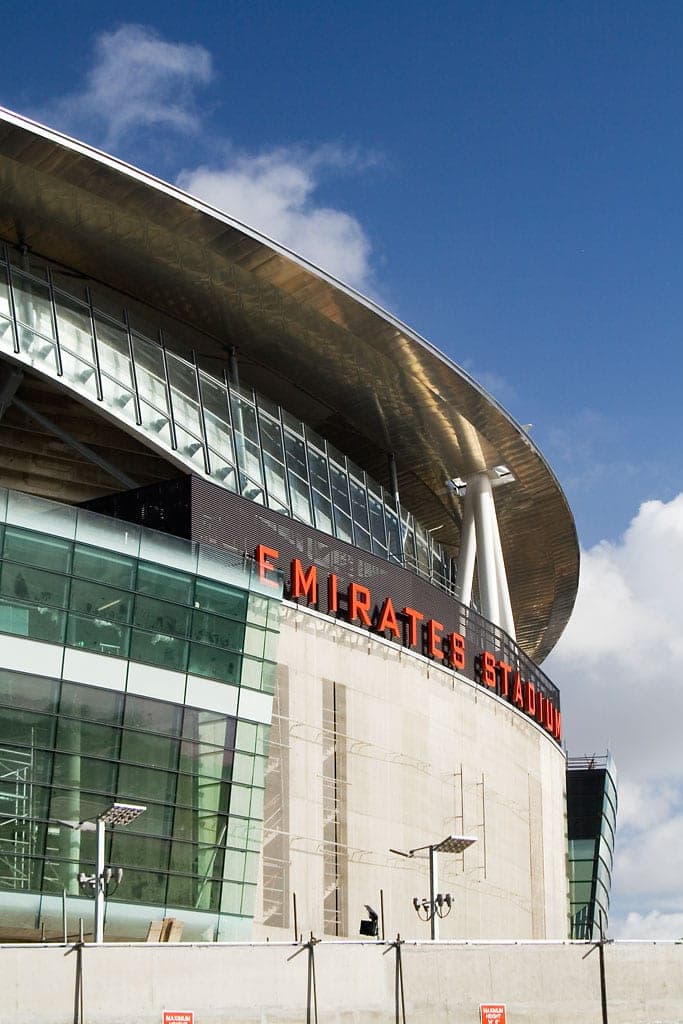
Emirates Stadium, Arsenal's home since 2006
2006

A New Home

The Emirates

After 93 years at Highbury, Arsenal moved to the 60,000-capacity Emirates Stadium in 2006, one of the largest ground moves English football has seen. The new stadium went up a few hundred metres from the old one, so the club changed everything about its home without leaving the neighbourhood it had spent nearly a century in.

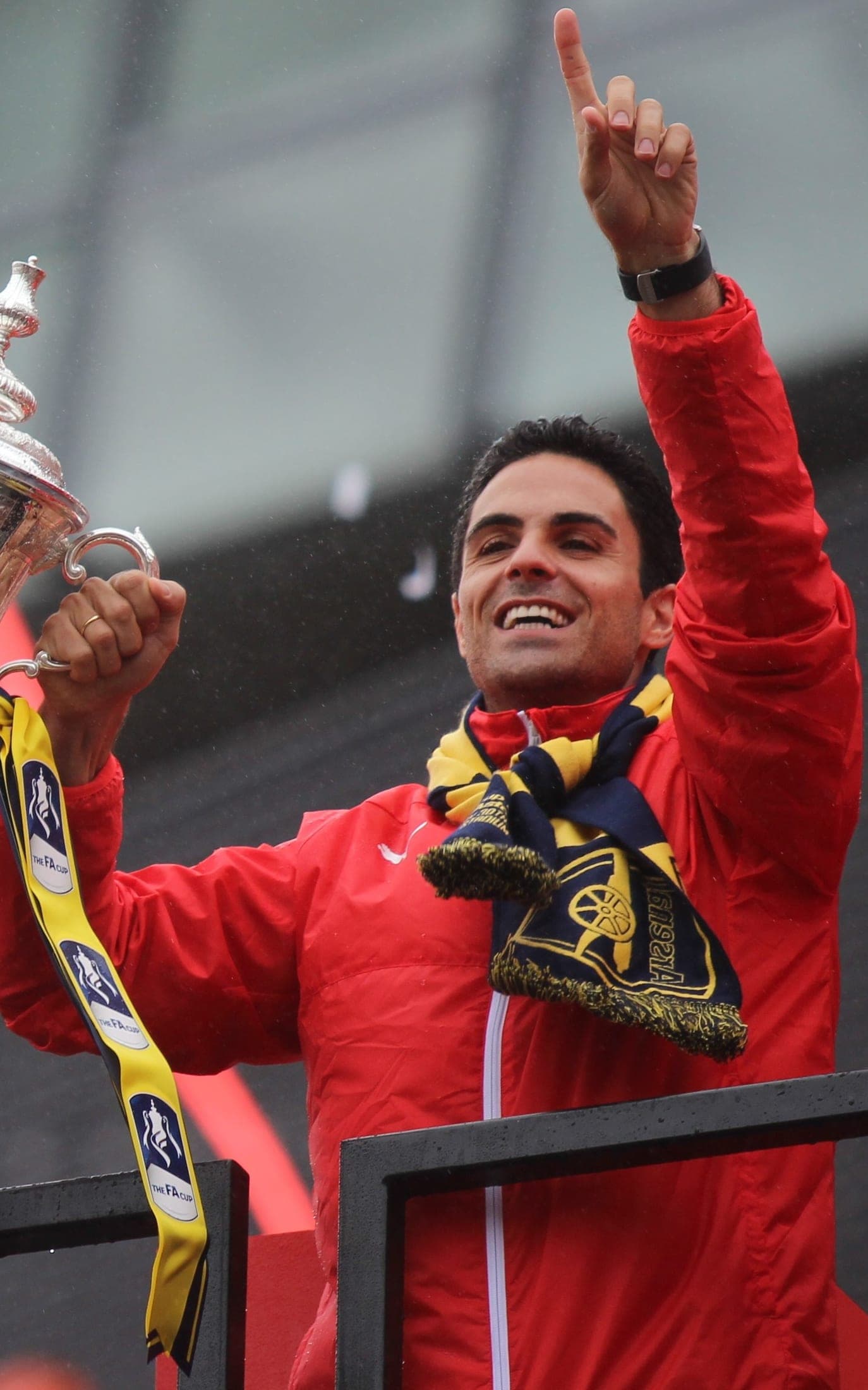
Mikel Arteta, then an Arsenal player, with the FA Cup in 2015
2014–2026

Silverware Returns

Success at the Emirates

The trophy cabinet filled again at the new ground: FA Cups in 2014, 2015, 2017 and 2020. Then, in 2025/26, Arsenal ended a 22-year wait for the league title, crowned Premier League champions under Mikel Arteta for a 14th English top-flight title in all. It took two decades at the Emirates for the ground to feel like it belonged to a title-winning team.

The Trophy Cabinet

A history measured in silverware

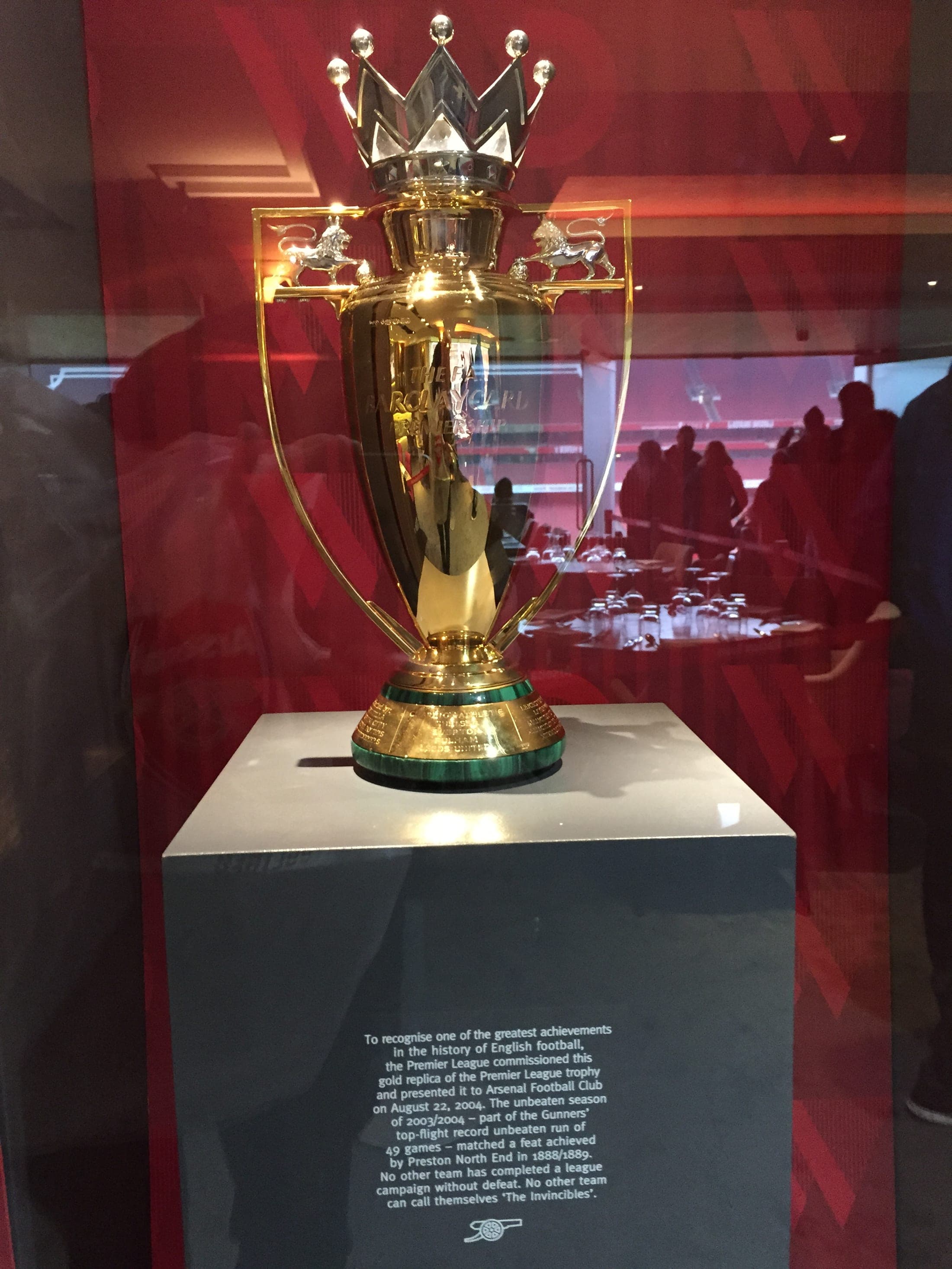
The gold replica Premier League trophy presented to Arsenal for the unbeaten 2003/04 season, on display at the Emirates Stadium
The Premier League commissioned a gold replica of its trophy for the 2003/04 season and presented it to Arsenal in August 2004. No other side has gone a full campaign unbeaten since.
14
League Titles
1930/31 – 2025/26
14
FA Cups
A record haul, most of any club
2
League Cups
1986/87, 1992/93
18
Community Shields
1930 – 2026
1
European Cup Winners' Cup
1993/94
1
Unbeaten League Season
2003/04, The Invincibles

The Legends

The names that built the club

Herbert Chapman

1925–1934

Manager

Architect of the modern game: the WM formation, floodlights, and Arsenal's first golden age.

Cliff Bastin

1929–1947

Forward

Arsenal's top scorer for over 70 years until Ian Wright surpassed him in 1997.

Tony Adams

1983–2002

Defender / Captain

One-club man and captain across three decades, lifting the league title in three different ones.

Ian Wright

1991–1998

Forward

Arsenal's record goalscorer until Thierry Henry: explosive, prolific, beloved.

Dennis Bergkamp

1995–2006

Forward

The Non-Flying Dutchman, with a touch and vision that redefined what a Premier League forward could be.

Arsène Wenger

1996–2018

Manager

Revolutionised English football's approach to fitness and diet, and built the Invincibles.

Patrick Vieira

1996–2005

Midfielder / Captain

The engine and heartbeat of Wenger's greatest teams.

Thierry Henry

1999–2007, 2012

Forward

Arsenal's all-time record goalscorer and the face of the Invincibles season.

Home Grounds

Three homes, one club

The Manor Ground, Plumstead, Arsenal's original home ground
1893–1913

Manor Ground

Home during the Woolwich Arsenal years in Plumstead, southeast London, a modest ground with the famous 'Spion Kop' terrace.

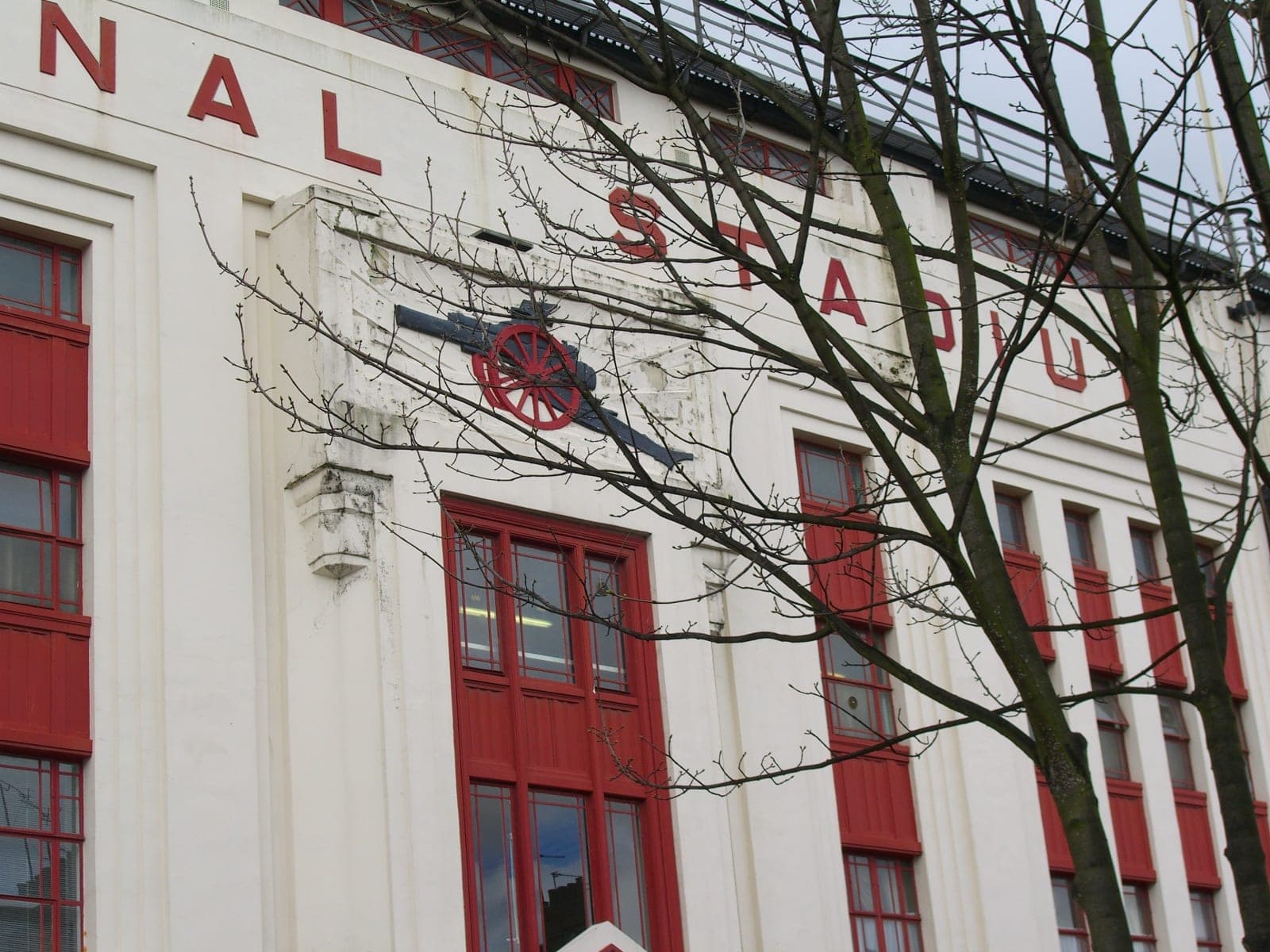
Highbury Stadium, Arsenal's home from 1913 to 2006
1913–2006

Highbury

The club's spiritual home for 93 years, famed for its marble halls and Art Deco East Stand. Arsenal outgrew it as the Premier League era demanded a bigger stage.

Emirates Stadium, Arsenal's current home since 2006
2006–Present

Emirates Stadium

A 60,000-seat ground built a few hundred metres from Highbury, big enough to pay for the football the club wanted to play. Every Arsenal season since 2006 has ended here.

The Badge

The crest through the years

Arsenal's badge has evolved many times since 1888, but the cannon, a nod to the club's roots at the Royal Arsenal armaments factory, has remained a constant.

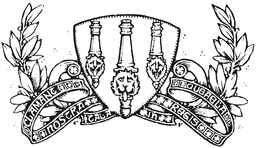
Arsenal crest, 1888
1888
Arsenal crest, 1930
1930
Arsenal crest, 1932
1932
Arsenal crest, 1936
1936
Arsenal crest, 1950
1950
Arsenal crest, 1967
1967
Arsenal crest, 1978
1978
Arsenal crest, 1990
1990
Arsenal crest, 1994
1994
Arsenal crest, 1996
1996
Arsenal crest, 2001
2001
Arsenal crest, 2002–Present
2002–Present
Arsenal crest, 2011/12
2011/12

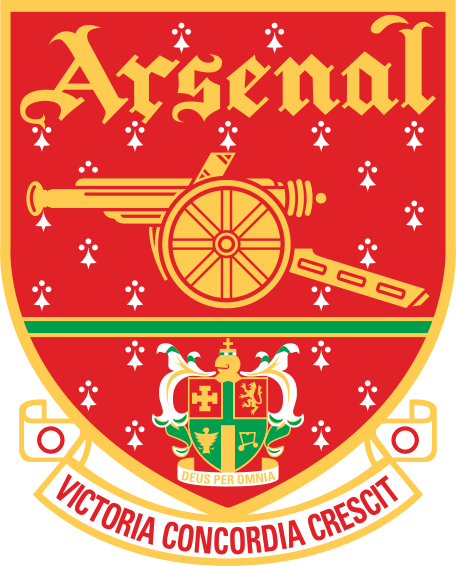
The crest was redesigned once more for the 2002/03 season into the shield still worn today: a simplified cannon mark, dropping the Islington borough arms and Latin motto scroll seen above. With Emirates Stadium on the horizon, the club felt it was the moment to move the badge forward as well, and the cleaner design was also easier to protect against counterfeit merchandise. It remains a registered trademark of Arsenal Football Club.

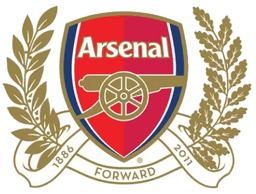
The final entry above is a one-off: the shirt for the 2011/12 season carried a special 125th-anniversary crest combining the current badge with 15 laurel leaves on the left, echoing the reverse of the six-pence coins the 15 founding members each paid to join, and 15 oak leaves on the right, for the Royal Oak pub where those founders used to meet. Underneath sat the word "Forward", one of the club's early mottos, flanked by the dates 1886 and 2011. The club reverted to the standard crest the following season, and it hasn't changed since.
Recommended Reading

Take the story further

A few books that go deeper than this page can. Some links below are affiliate links; if you buy through one, this independent project may earn a small commission at no extra cost to you.

The Official Illustrated History of Arsenal

Phil Soar & Martin Tyler

The closest thing to a definitive club history, from Dial Square to the modern era, with archive photography throughout.

Shop on Bookshop.org

Highbury: The Story of Arsenal in N5

Jon Spurling

A social history of the stadium and the Highbury neighbourhood that grew up around it over nine decades.

Shop on Bookshop.org

Invincible: Inside Arsenal's Unbeaten 2003-2004 Season

Amy Lawrence

A match-by-match account of the only Premier League side to go a season unbeaten, told through the players who lived it.

Shop on Bookshop.org

The Life and Times of Herbert Chapman

Patrick Barclay

A biography of the manager who built the first great Arsenal side and reshaped English football's tactics, and its marketing, along the way.

Shop on Bookshop.org