Blog
Longer reads on Arsenal’s history and the wider story of the game around it.
Origins·9 January 2026·3 min read
Before it was simply Arsenal, the club went by three different names in under thirty years. Each change says something about who the club actually belonged to at the time.
Origins·23 January 2026·4 min read
In 1893, Woolwich Arsenal became the first southern club to join the Football League - a decision that put them at odds with an FA establishment still trying to keep professionalism out of the south.
Stadiums·6 February 2026·3 min read
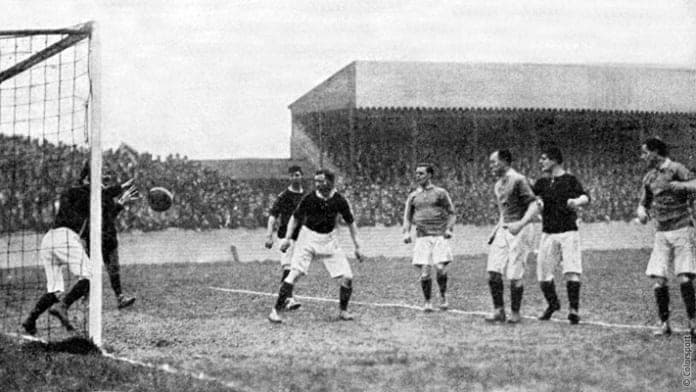
Before Highbury, Arsenal's home was a modest ground in Plumstead with a terrace steep enough to earn a nickname borrowed from a Boer War battlefield. It's easy to forget the club ever played anywhere else.
Stadiums·20 February 2026·3 min read
When Arsenal left southeast London for Highbury in 1913, local clubs objected loudly. More than a century on, Tottenham still haven't entirely dropped it.
Managers·6 March 2026·4 min read
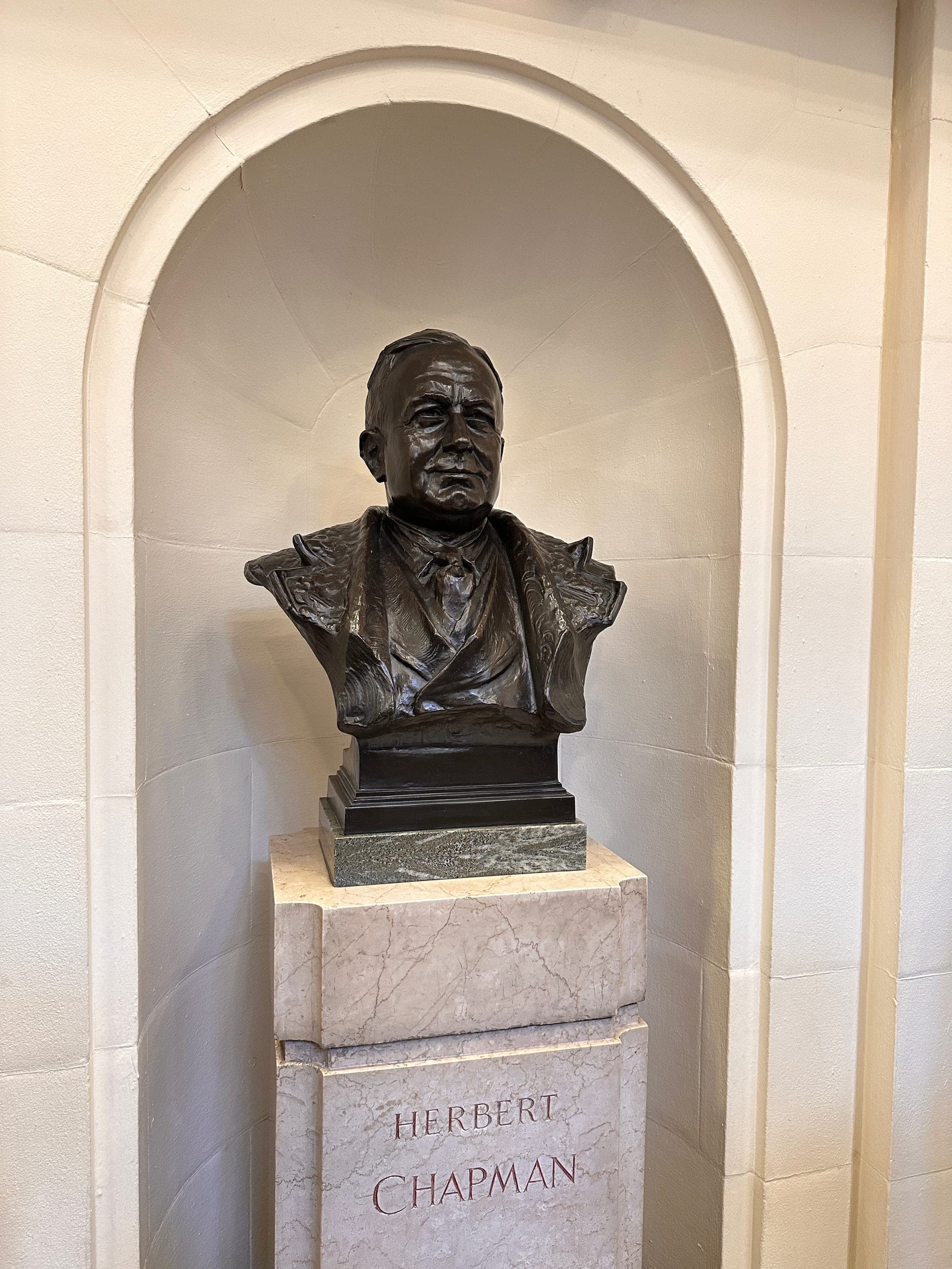
Herbert Chapman didn't just build a great Arsenal team when he arrived in 1925. He rebuilt large parts of the sport around it, and much of what he introduced is still recognisable today.
Trophies·20 March 2026·3 min read
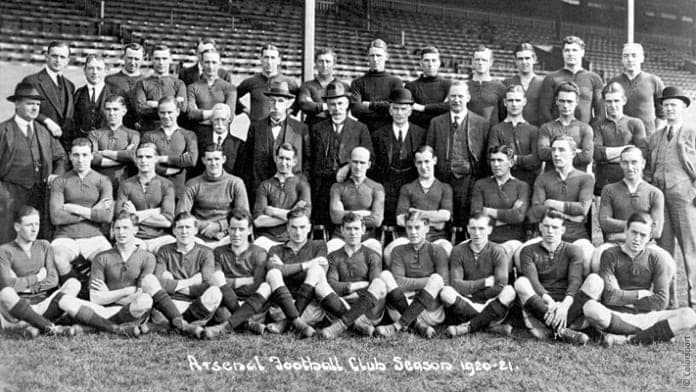
Across the 1930s, Arsenal won five league titles and two FA Cups, becoming the team every other club in England measured itself against - English football's first true superclub.
Legends·3 April 2026·4 min read
Cliff Bastin set Arsenal's goalscoring record in the 1930s and 40s. It took over seventy years, and a striker from a completely different era of the game, for anyone to pass it.
Legends·17 April 2026·3 min read
Tony Adams played his entire career at one club and captained it to league titles in three different decades. It's a kind of career almost nobody gets to have anymore.
Legends·1 May 2026·3 min read
Dennis Bergkamp built one of Arsenal's most admired careers while refusing to fly to away matches - a limitation that shaped his whole career, and never once seemed to limit what he did on the pitch.
Legends·15 May 2026·3 min read
Patrick Vieira arrived at Arsenal as a relative unknown in 1996 and left, nine years later, as one of the greatest midfielders the Premier League has ever seen.
Managers·29 May 2026·4 min read
When Arsène Wenger arrived in 1996, English football's approach to diet and fitness was famously behind the rest of Europe. Within a few years, the whole league had quietly copied his methods.
Trophies·12 June 2026·3 min read
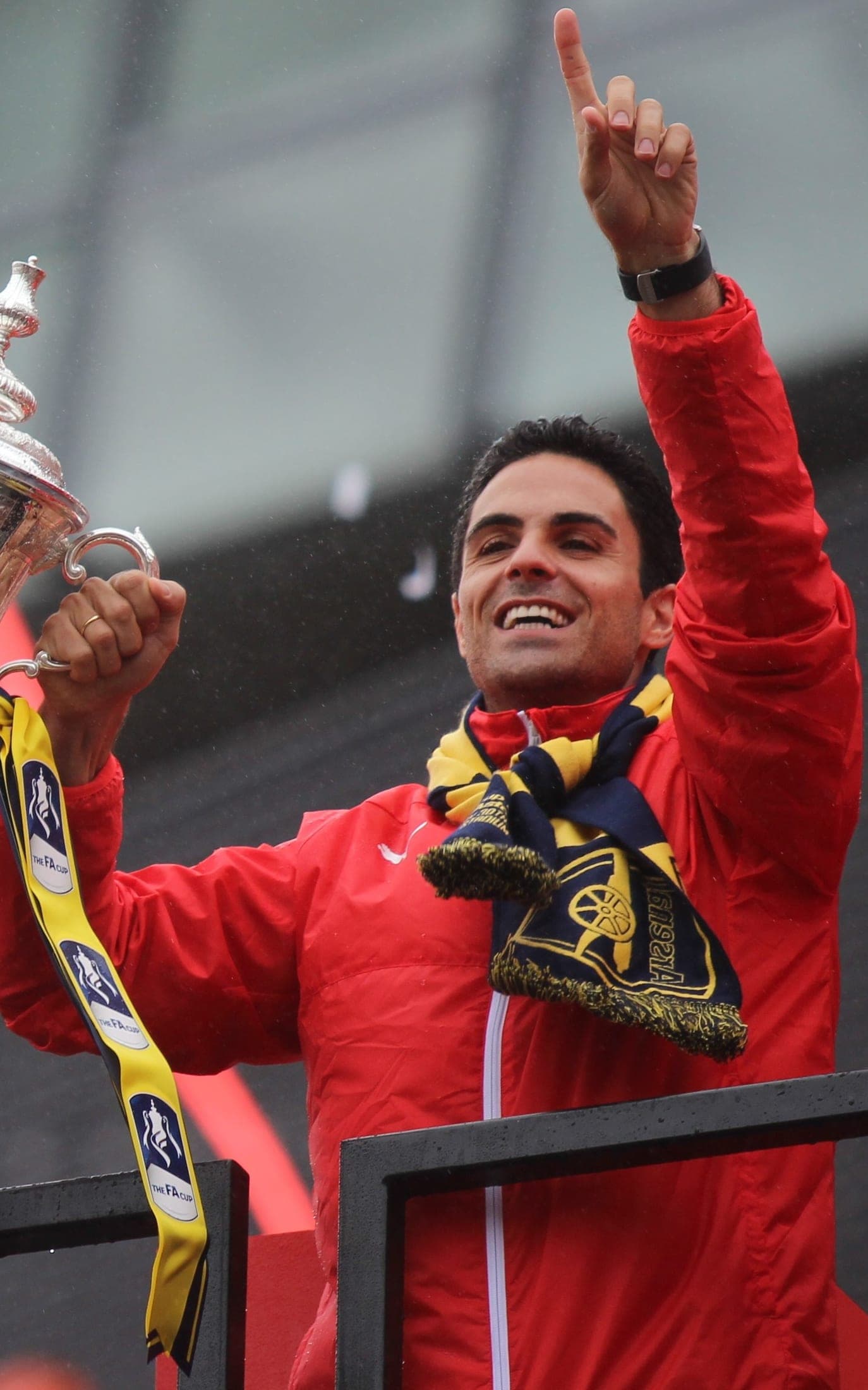
No club has won the FA Cup more times than Arsenal. Fourteen wins across more than a century says something specific about how this club has tended to peak.
Trophies·26 June 2026·3 min read
Arsenal's 1993/94 Cup Winners' Cup triumph remains the club's only European trophy - a tightly-fought, defensively built run that looks unlike almost anything else in the club's history.
Badge·10 July 2026·3 min read
Arsenal's badge has changed more than a dozen times since the club's earliest years. Each version is a small, visual record of whatever era the club was living through when it was designed.
Modern Era·24 July 2026·4 min read
Arsenal's 2025/26 Premier League title ended a twenty-two-year wait since the Invincibles - and arrived after two decades of near-misses at a stadium built specifically to make winning it possible again.
Origins·15 August 2026·4 min read
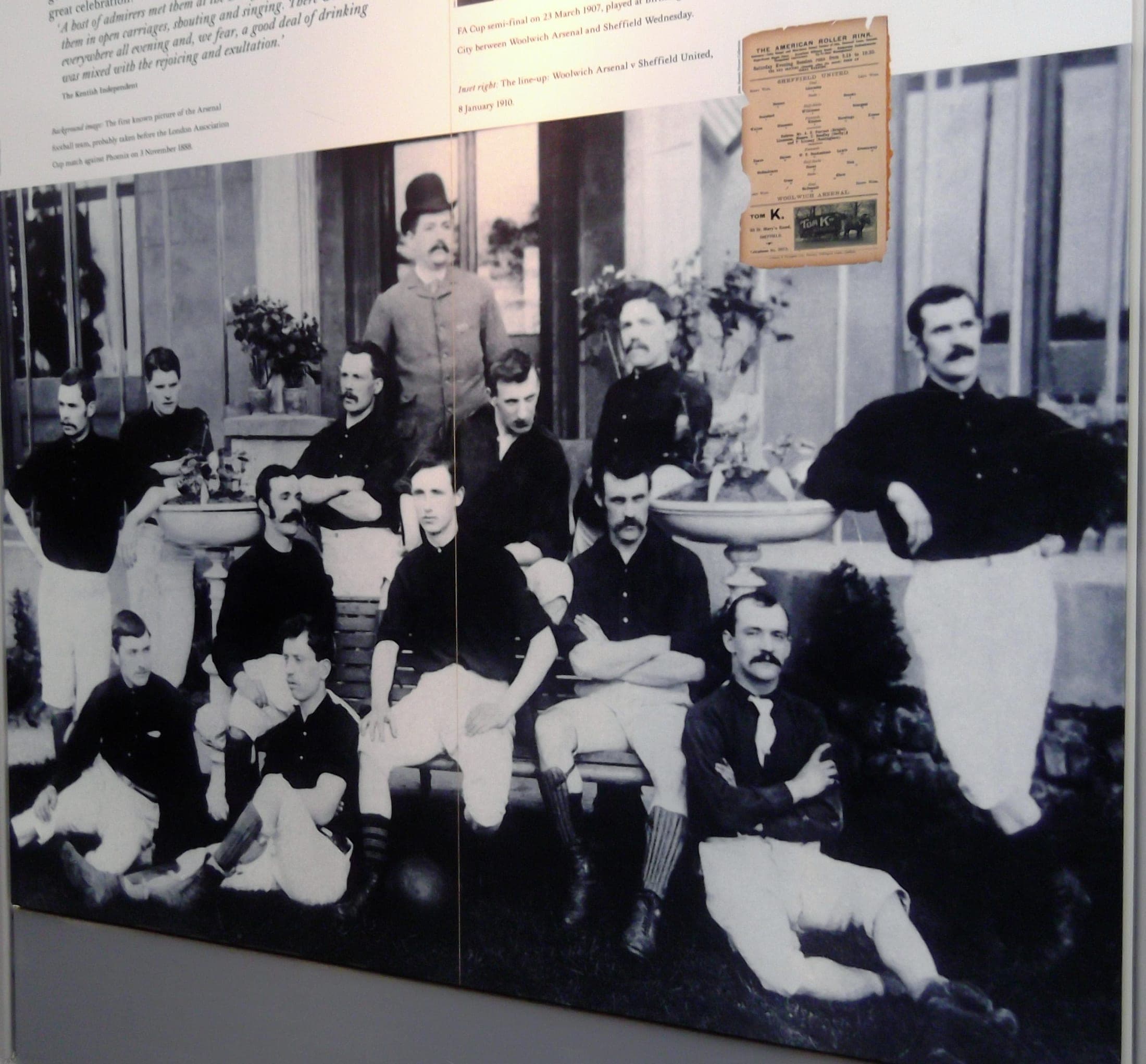
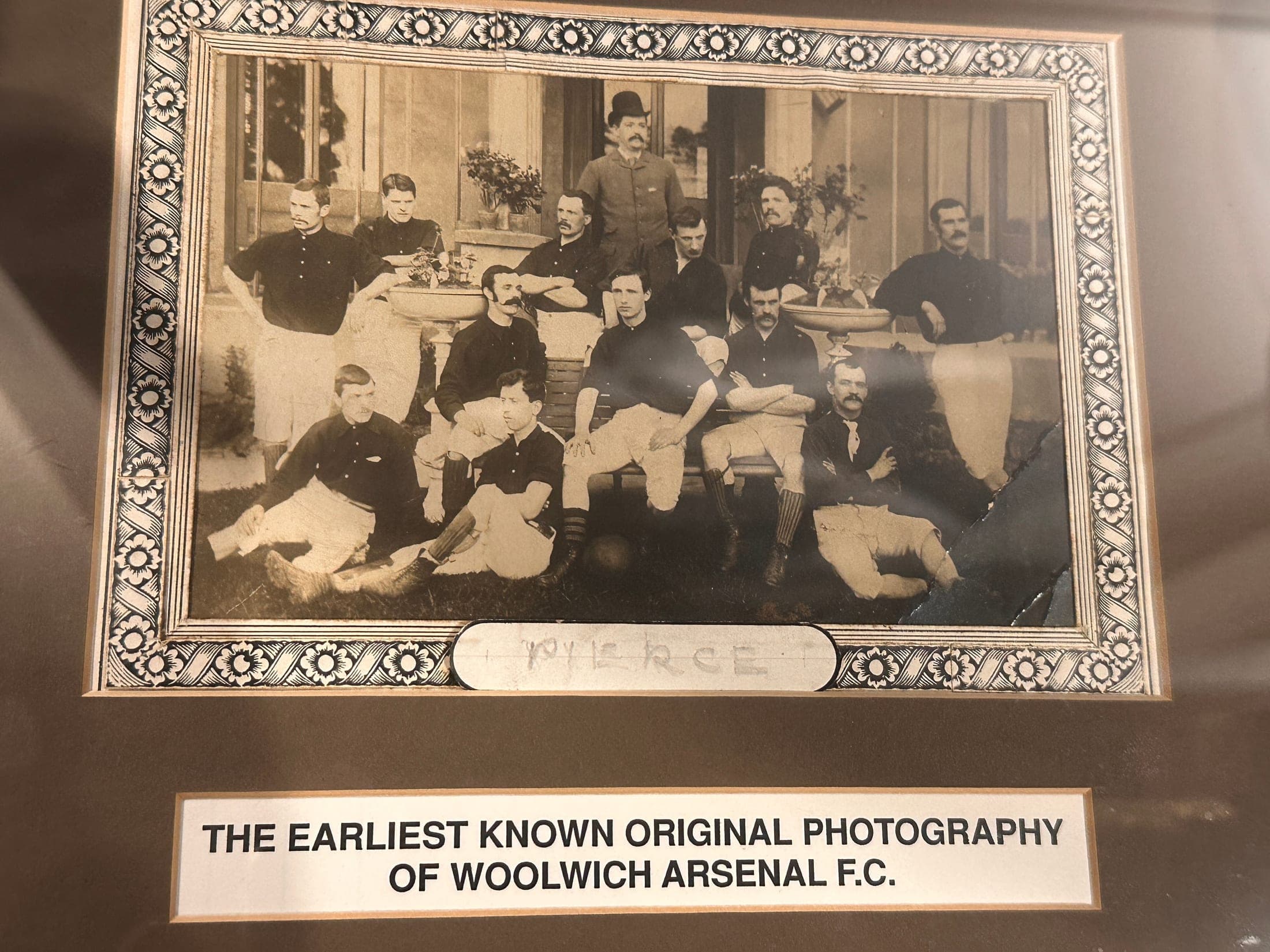
Arsenal began as a works team, formed by munitions factory workers in 1886. That same instinct - ordinary people organising their own competitive football - is still alive today.
Trophies·21 August 2026·4 min read
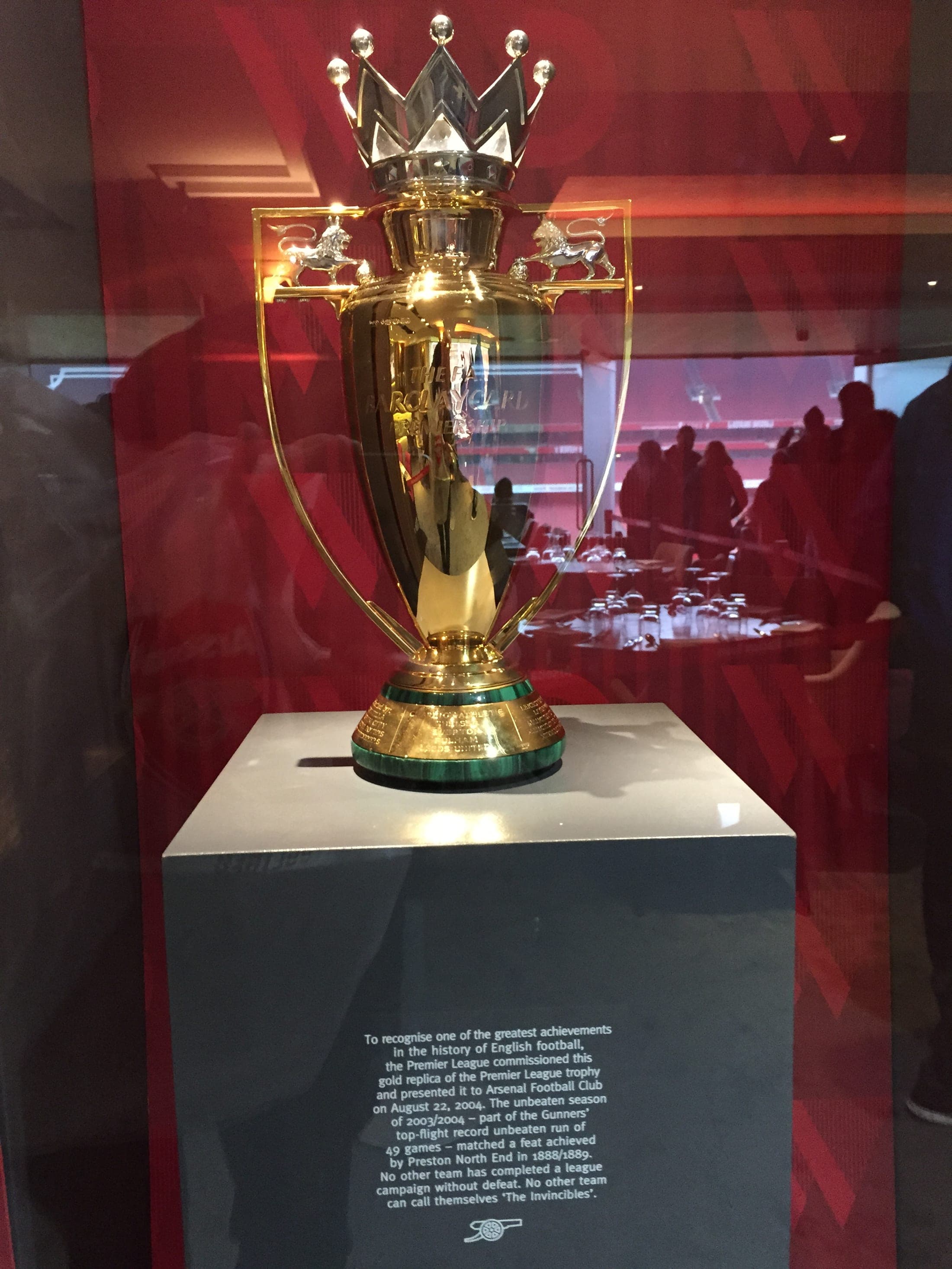
Arsenal went an entire 2003/04 league season unbeaten. Two decades on, nobody has come close to repeating it - and the reasons why say a lot about the modern game.
Stadiums·27 August 2026·4 min read
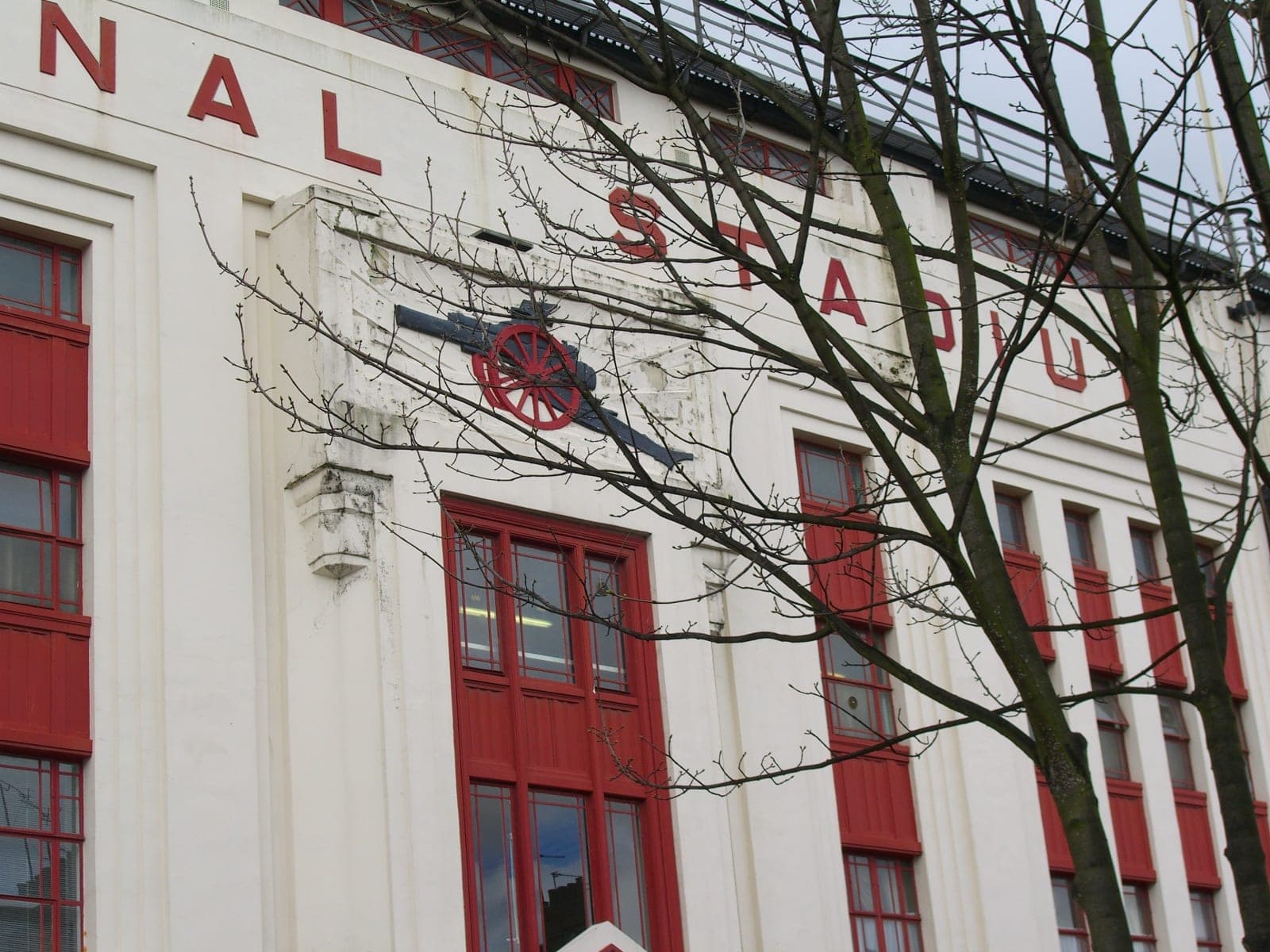
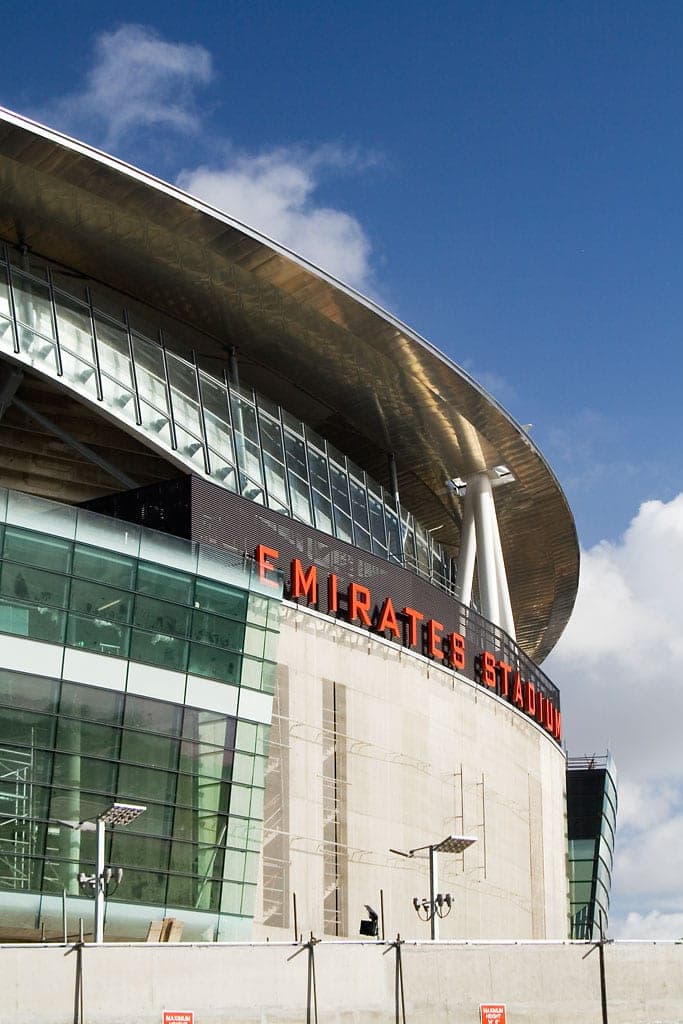
Arsenal played at Highbury for 93 years before building the Emirates a short walk away. Leaving a stadium that shaped a club's identity is harder than it sounds - and rarer than most fans realise.