Origins · · 4 min read
The First Southern Club in the League: Arsenal Turns Professional
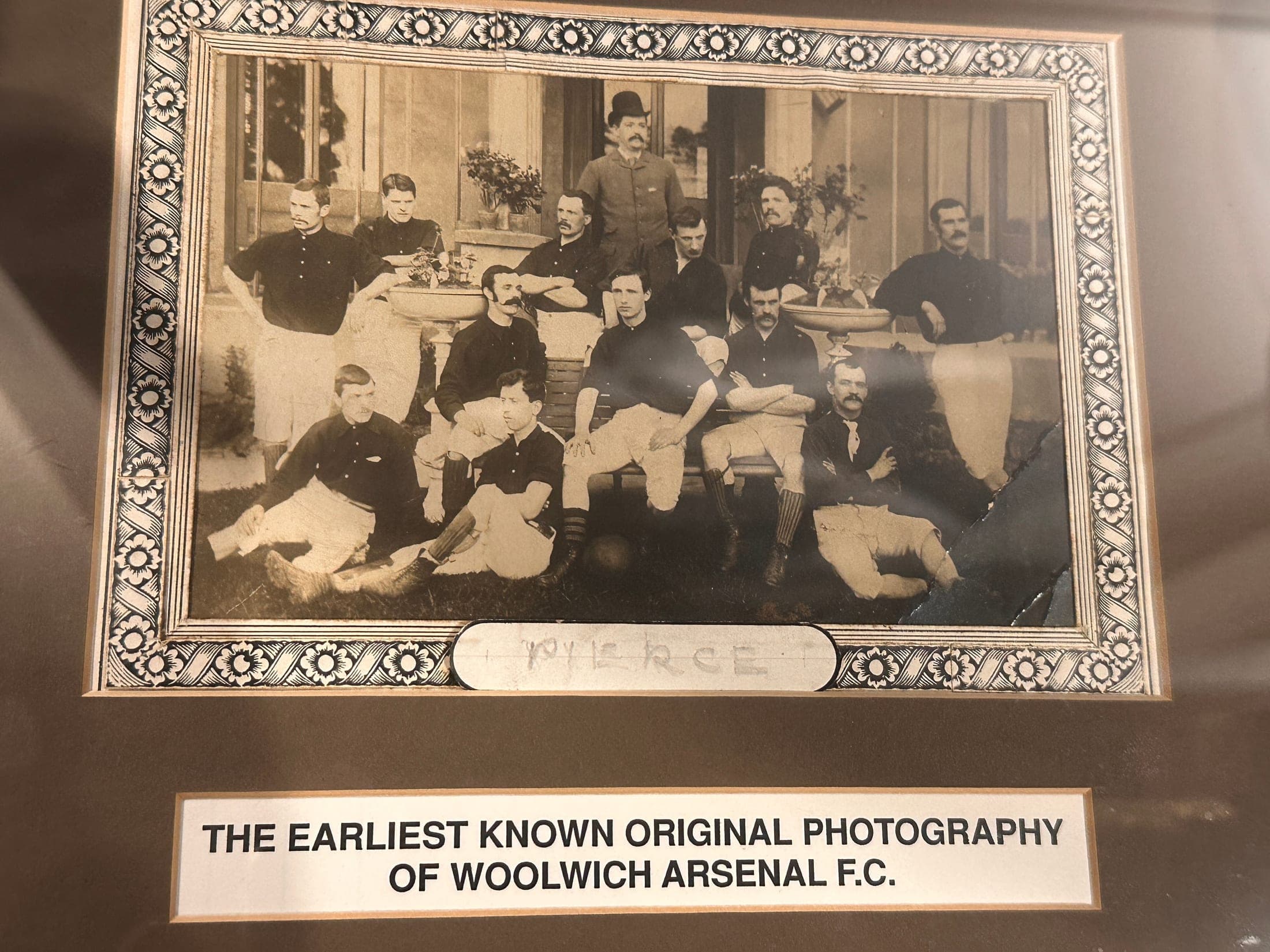
By the early 1890s, professional football was already an accepted fact of life in the north and Midlands, where clubs like Preston North End and Aston Villa openly paid their players and had done for years. South of Birmingham, the football establishment still clung to amateurism, and the FA's governing bodies treated professionalism as something faintly disreputable - a northern, working-class habit the game's gentlemen amateurs would rather not import.
Woolwich Arsenal turned professional anyway in 1891, and joined the Football League in 1893, becoming the first club from the south of England to do either. It was not a popular decision with everyone. Southern amateur clubs largely refused to play them, wary of both the competitive edge professionalism gave and the social change it implied, and Arsenal spent their early league seasons somewhat isolated - a southern club competing almost entirely against clubs from hundreds of miles away, with none of the local rivalries that other league sides could rely on to fill grounds.
The decision to turn professional wasn't about ambition for its own sake. It reflected the realities of the Woolwich Arsenal workforce: skilled tradesmen with wages to protect, playing a sport that increasingly demanded the kind of time and physical commitment amateur status couldn't fairly ask of them. Paying players was less a statement than an acknowledgment of what competitive football already required.
It took time to pay off. Attendances at the Manor Ground were thin for years, and the travel costs of playing almost exclusively away from London's amateur football culture strained the club's early finances more than once. But the decision put Arsenal two decades ahead of most of London's other major clubs in taking professional football seriously, and it's arguably the reason the club existed in any recognisable form by the time it made its next big decision: crossing the river to Highbury in 1913.