
When Arsène Wenger signed Patrick Vieira in 1996, he was a twenty-year-old with barely any senior football behind him, arriving at a club still adjusting to its new French manager's methods. Nine years later, he left as one of the defining midfielders of the Premier League's early era - the physical and tactical engine of the most dominant Arsenal team in the club's history.
Vieira's game combined things that rarely come together in one player: the physical presence to win a midfield battle against almost anyone in the league, and the technical range to start attacks the moment he'd won the ball back. He covered ground other midfielders of the era simply couldn't match, and did it while reading the game well enough to be trusted, from a young age, with Arsenal's captaincy.
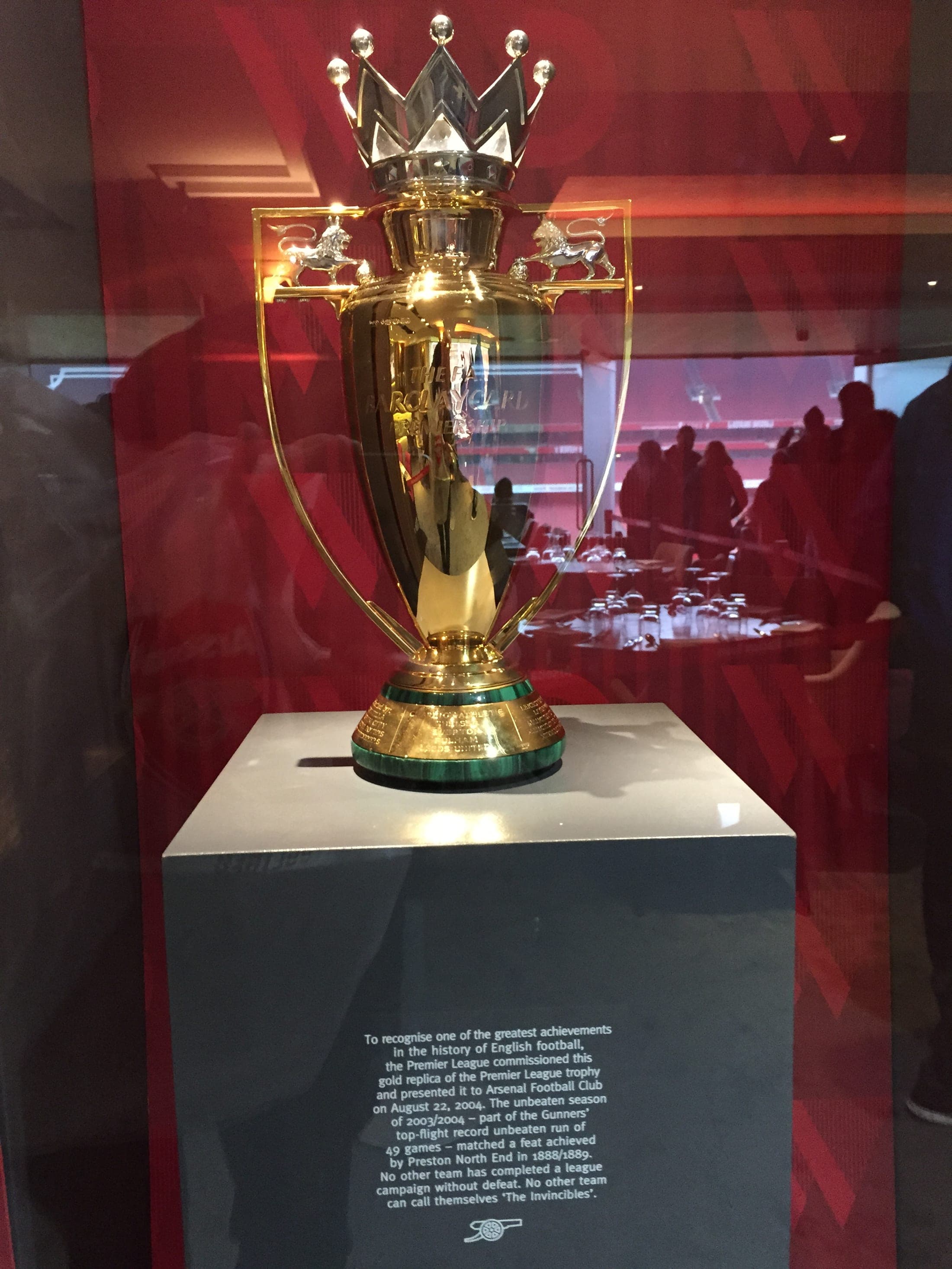
That captaincy mattered as much as the performances. Vieira led the side through the 1997/98 and 2001/02 title wins, and through the 2003/04 Invincibles season, wearing the armband for a squad that included several players with stronger individual claims to stardom but few with his combination of authority and consistency. Teammates and opponents alike routinely pointed to him, not the club's more celebrated forwards, as the player Arsenal genuinely couldn't afford to lose.
He left for Juventus in 2005, and Arsenal's balance in midfield never quite settled the same way again for several years afterward - a reasonably clear sign, in hindsight, of exactly how much of the Invincibles-era engine had been running through one player. Wenger built teams around brilliant individuals throughout his time at the club. Vieira may be the clearest case of a player the whole system was actually built to run through.