
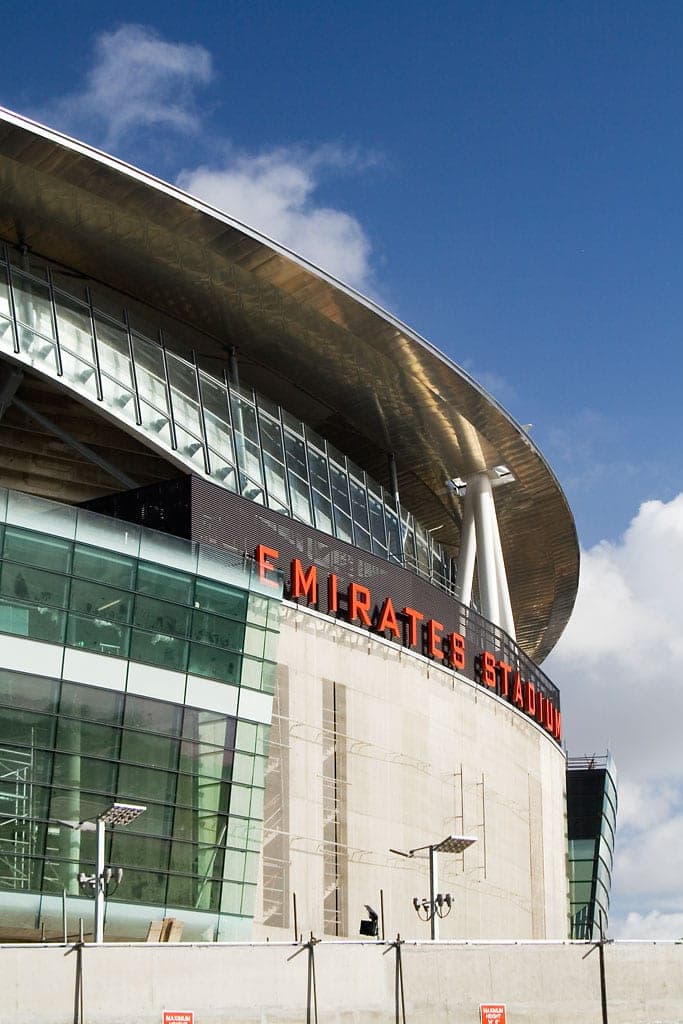
Most football clubs that move stadiums do it because they have no choice: a ground condemned, a landlord dispute, a city that wants the land for something else. Arsenal's move from Highbury to the Emirates Stadium in 2006 wasn't that kind of story. Highbury was structurally sound, beloved, and instantly recognisable - the marble halls, the Art Deco East Stand, a pitch that had hosted top-flight football since 1913. The club left it anyway, because loving a stadium and being able to compete on the pitch from inside it had quietly become two different things.
The problem was capacity, not condition. By the early 2000s, Highbury's boxed-in design, hemmed in by residential streets on every side, meant it could hold roughly 38,000 people and had no realistic way to grow. Rival clubs building bigger, modern stadiums were generating matchday revenue Arsenal simply couldn't match from inside a ground it had outgrown decades earlier. Wenger's Invincibles had shown what the club could do on a limited budget; the board's bet was that a proper stadium would remove the limit.
So Arsenal built one, on an industrial site at Ashburton Grove, close enough to Highbury that both grounds existed within the same square mile of Islington for a while. The Emirates opened in 2006 with a capacity approaching 60,000, funded in a way that shaped the club's transfer business for years afterward - stadium debt is why the mid-to-late 2000s are remembered as lean years for signings, even as the ground itself filled every week.
What's easy to overlook is how deliberately the club avoided leaving home in any other sense. The new stadium sits a short walk from the old one; Highbury's footprint was redeveloped into flats rather than sold off to a different use entirely, and its facade was preserved rather than demolished. Arsenal changed everything about matchday - the size of the crowd, the width of the concourses, the club's entire financial model - while staying in the same few streets it had played in since 1913.
It's a useful reminder for any club, at any level, wrestling with the question of when a home ground stops being an asset and starts being a ceiling. Outgrowing a place doesn't have to mean abandoning what it stood for - it can just mean building the next version of it somewhere close enough that the identity survives the move intact.